Air conditioner installation and replacement
A new air conditioner sized for your house — replacing a tired condenser and coil, or adding cooling to a home that only ever had heat.
Installation and replacement are the same job to us — the only difference is whether something has to come out first. On a replacement we recover the old refrigerant properly, disconnect and remove the condenser and the indoor coil, and see what the previous installer left behind. In this valley that's often an undersized line-set, a disconnect that isn't to code, or a slab that has sunk two inches at one corner. On a new install we're starting clean, but the questions are the same ones.
The first is always size. There's a persistent belief that a bigger air conditioner cools better, and the opposite is true. An oversized system satisfies the thermostat quickly, shuts off, and never runs long enough to pull moisture out of the air, so the house feels clammy and the equipment wears out from short-cycling. We run a load calculation off the actual house — square footage, insulation, window area and orientation, ceiling height, how leaky the place is — rather than reading the tonnage off whatever was there before.
Ductwork is the thing people forget to ask about, and it matters. New equipment attached to leaky or undersized ducts throws away a good chunk of what you just paid for, and in houses with ductwork running through an unconditioned attic or crawlspace it can be a lot. We look at the duct system before quoting and tell you honestly whether it needs attention. If it does, we price it separately so you can see what you're buying rather than having it buried in one number.
The other is the indoor coil. If you're replacing an outdoor condenser, the coil almost always needs to go with it — they're a matched set, matched for capacity, refrigerant and the metering device. Pairing a new high-efficiency condenser with a twenty-year-old coil gives you neither the rated efficiency nor a valid warranty. Anyone quoting an outdoor unit alone at a suspiciously good price is usually leaving that out.
Local housing decides half of every quote. The Road 68 corridor and Hansen Park in Kennewick were built out together through the 2000s, so their original systems are aging out together — a lot of what we replace right now is 2005-vintage equipment on exactly those streets. Alphabet-house Richland needs the ductwork conversation before the tonnage conversation. And in Broadmoor or Badger Mountain South the existing unit is often still under the manufacturer's warranty, which we check before quoting you anything.
What a proper AC installation includes
The parts of an installation that separate a good one from a cheap one.
Load calculation
Sized off the house, not off the old nameplate. This is the step that decides whether you're comfortable.
Ductwork check
Sizing, leakage and condition. If the ducts need work we price it separately so you can see it.
Matched coil
Condenser and indoor coil replaced as a set, so you get the efficiency and the warranty you paid for.
Written options
Usually three: a solid basic system, a middle one and a higher-efficiency one, with what each actually changes.
Permits
Pulled where the city requires them. It protects you at resale and isn't worth skipping.
Commissioning
Airflow, superheat and subcooling checked against spec before we call it finished.
How an air conditioner installation goes
Most single-system changeouts are one day.
- Floors and doorways covered
- Old refrigerant recovered, not vented
- Old equipment disconnected and hauled away
- New line-set or existing one pressure-tested
- System evacuated and charged by weight
- Thermostat set up and warranty registered
What this work looks like
Recent central ac installation jobs from our own vans.
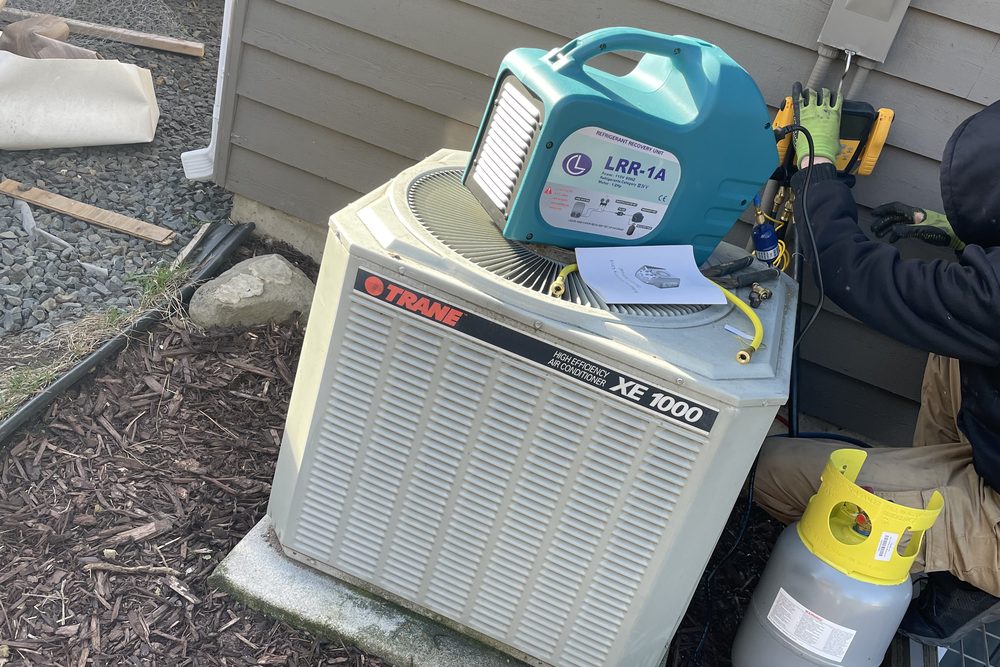
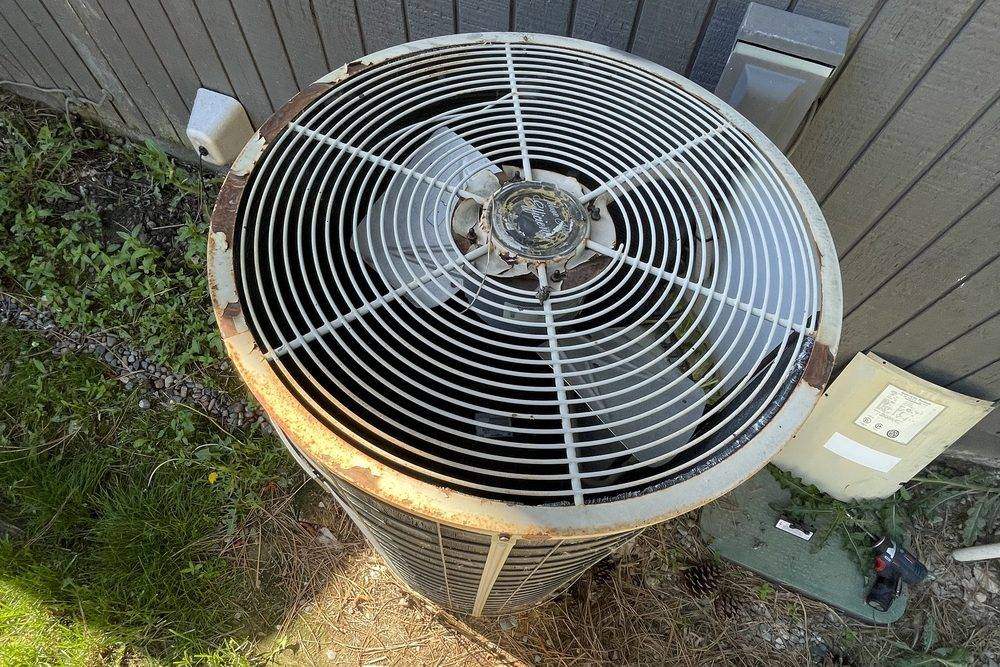
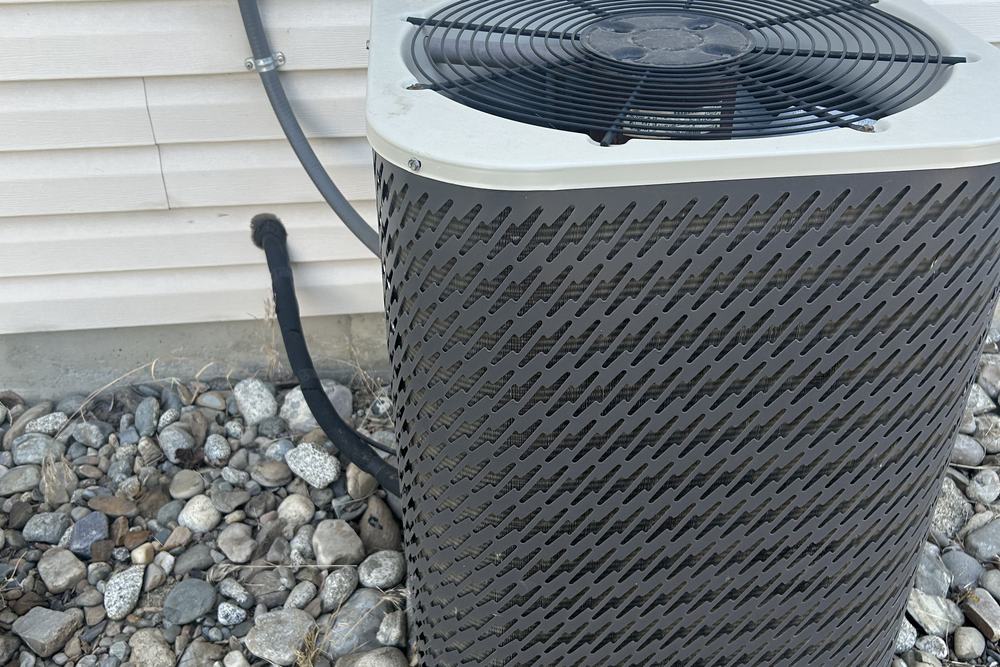
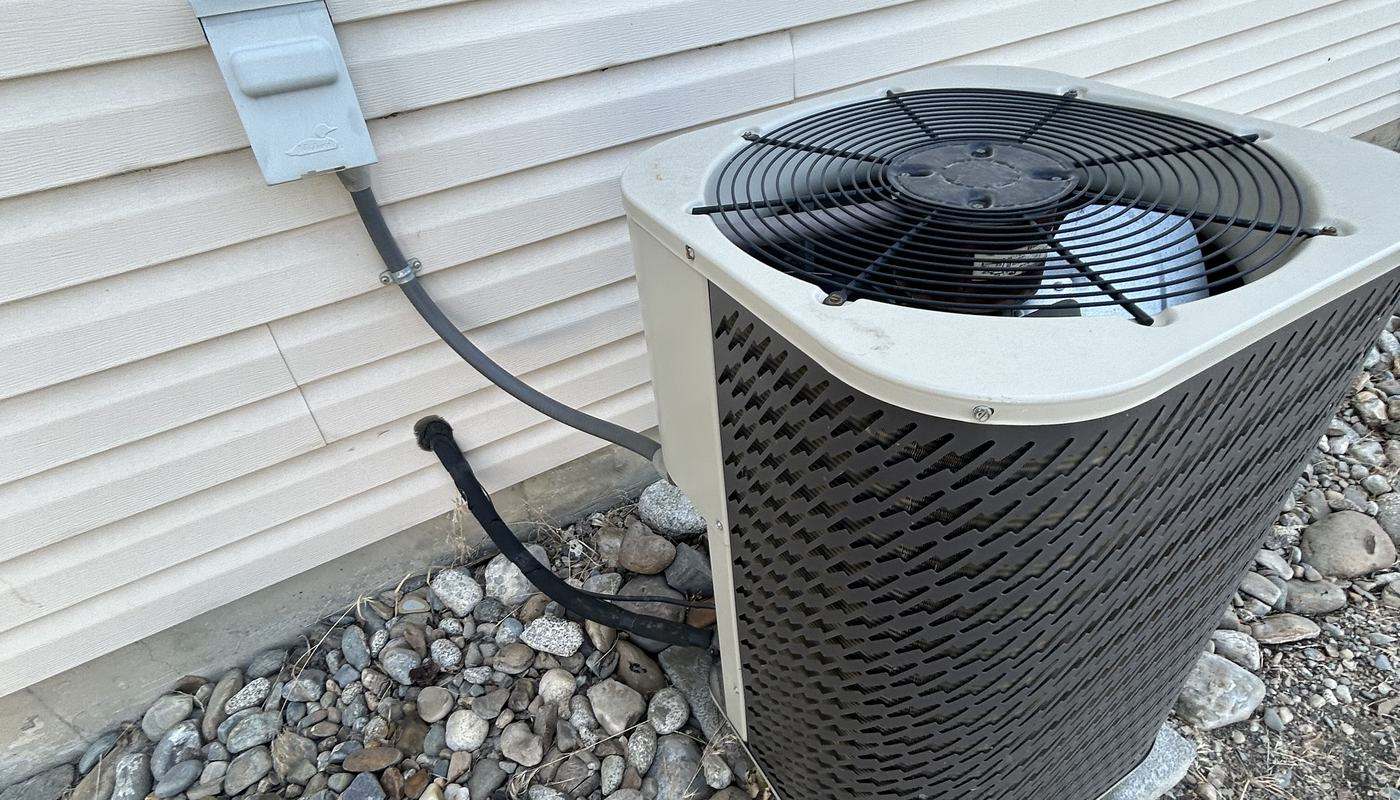
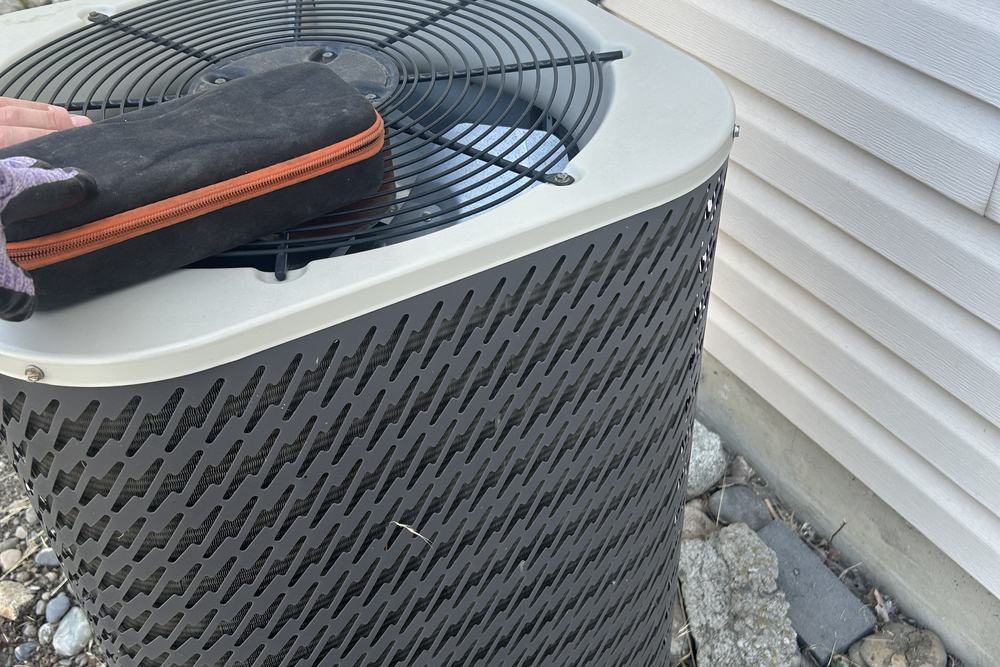
Central AC installation across the Tri-Cities
Each town page has the local detail.
We also come out to Benton City, Finley, Burbank and Kiona — same pricing, no travel charge.
Other heating and cooling services
Central AC installation — common questions
How much does a new air conditioner cost in the Tri-Cities?
It depends on the size of the system, whether the ductwork needs attention and how awkward the location is, which is why we won't put a number on a website and pretend it's yours. The quote is free, comes in writing, and lists the equipment, the labor and any duct work separately so you can see where the money goes.
What size air conditioner do I need?
That comes out of a load calculation, not a rule of thumb. It accounts for square footage, insulation, window area and which way they face, ceiling height and how leaky the house is. It's common for the correct answer to be smaller than what's currently installed, especially if the house has had windows or insulation done since.
Can I just replace the outdoor unit and keep my old coil?
Rarely a good idea. The condenser and the indoor coil are a matched pair — matched for capacity, refrigerant type and the metering device. Mixing new with old usually voids the manufacturer's warranty and gives you neither the rated efficiency nor a reliable system.
Is a higher SEER unit worth the extra money here?
Sometimes. We run cooling hard for about three months a year, so the payback on a very high-efficiency system is longer than the brochure suggests. A mid-tier unit installed properly will usually beat a premium unit installed badly. We'll show you the numbers for your house rather than a national average.
How long does an AC installation take?
A straight changeout is normally one day. Adding cooling to a house that has never had it, or doing ductwork at the same time, runs to two or three days.
Do I need a permit to replace my air conditioner?
Where the city requires one, yes, and we pull it. It gets inspected by somebody who doesn't work for us, which is the point. It also protects you when you sell the house.
When is the best time of year to replace an AC?
Spring and autumn. In July everyone is replacing at once, lead times stretch and you're making a five-figure decision while sweating. If your system limped through last summer, getting a quote in April is the cheapest thing you can do.
How long should a new system last?
Twelve to eighteen years with the coil kept clean and the charge checked. Installation quality matters more than brand for that number — a system that was never properly evacuated or was charged by guesswork will not reach the top of the range.