Heat pump repair in the Tri-Cities
Not heating, iced over, or running constantly without keeping up. One machine doing two jobs, which doubles the ways it can misbehave.
A heat pump is an air conditioner that can run backwards. In summer it moves heat out of the house; in winter a reversing valve flips the refrigerant flow and it moves heat into the house instead, pulling it out of outdoor air that feels far too cold to contain any. Everything that can fail on an air conditioner can fail on a heat pump, and then there are the parts that only exist because of the heating side.
The complaint we hear most isn't a fault at all. Heat pump air comes out around ninety to a hundred degrees rather than the hundred and thirty a gas furnace produces, so it feels lukewarm against your hand even while it's heating the house perfectly well. If your system is new and the house is holding temperature, that's how it's supposed to feel. If the house isn't holding temperature, that's different and worth a visit.
Real faults cluster in a few places. The reversing valve can stick, leaving the system stuck in cooling when you want heat or the other way round. The defrost board and its sensor decide when to melt the frost that builds on the outdoor coil in winter; when that goes wrong you get a unit encased in ice, or one that defrosts every ten minutes and never actually heats. Auxiliary or emergency heat strips are another common one — if they've failed you'll notice on the coldest morning of the year, and if they're stuck on you'll notice on the power bill.
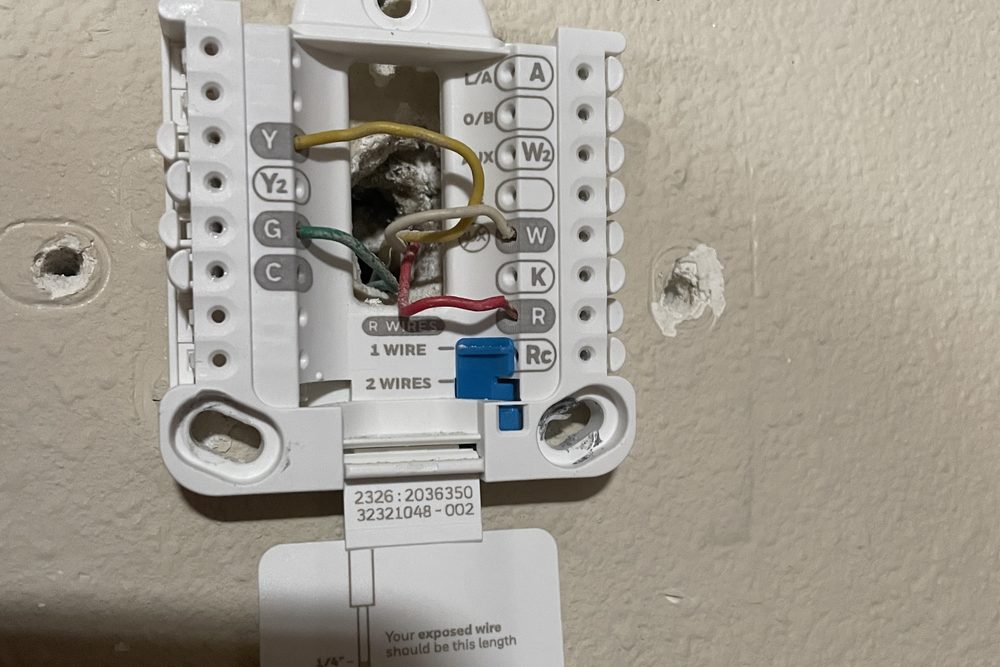
Then there are the wiring and thermostat problems, which are more common than people expect. A heat pump needs the changeover wire set correctly for the brand, and the auxiliary and emergency heat stages configured properly. Get that wrong — and plenty of DIY smart thermostat installs do — and the system either runs expensive electric heat constantly or refuses to switch modes at all.
Heat pump calls follow a local pattern too. Canyon Lakes reliably produces the “lukewarm air” call that turns out to be normal operation. Broadmoor and the newer West Richland subdivisions produce fault codes on equipment still under warranty. And on windy, dusty sites — Southridge, Finley, the Horse Heaven edge — the defrost system works overtime because the outdoor coil never stays clean for long.
Common heat pump problems in winter and summer
Not heating in winter
Reversing valve, defrost fault, low charge, or auxiliary heat that has failed.
Iced over outside
A little frost is normal in winter. A block of ice is a defrost fault and needs looking at.
Runs constantly
Sometimes normal in cold weather, sometimes a charge or sizing problem. Worth measuring.
Cools but won't heat
Almost always the reversing valve or its solenoid, or a thermostat wired wrong.
Loud on start-up
A whoosh as the reversing valve shifts is normal. Grinding or screeching isn't.
Huge power bills
Usually auxiliary electric heat running when it shouldn't. Often a control or thermostat setting.
What we check on a heat pump repair call
More ground than an AC call, because there's more that can go wrong.
- Reversing valve and solenoid operation
- Defrost board, sensor and cycle timing
- Auxiliary and emergency heat stages
- Refrigerant charge in both modes
- Outdoor coil and fan motor condition
- Thermostat changeover and staging setup
What this work looks like
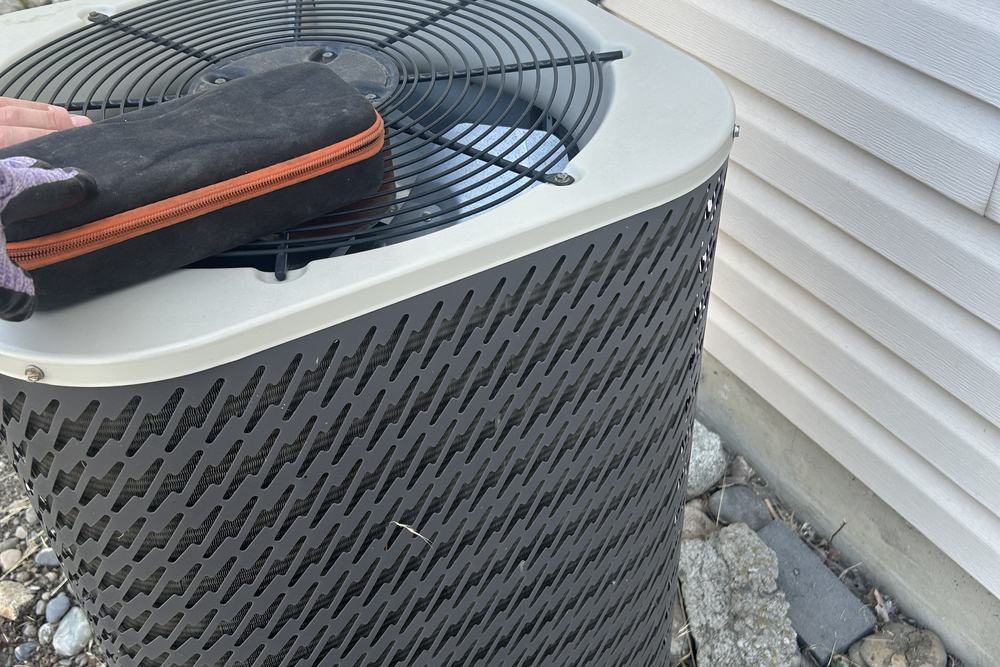
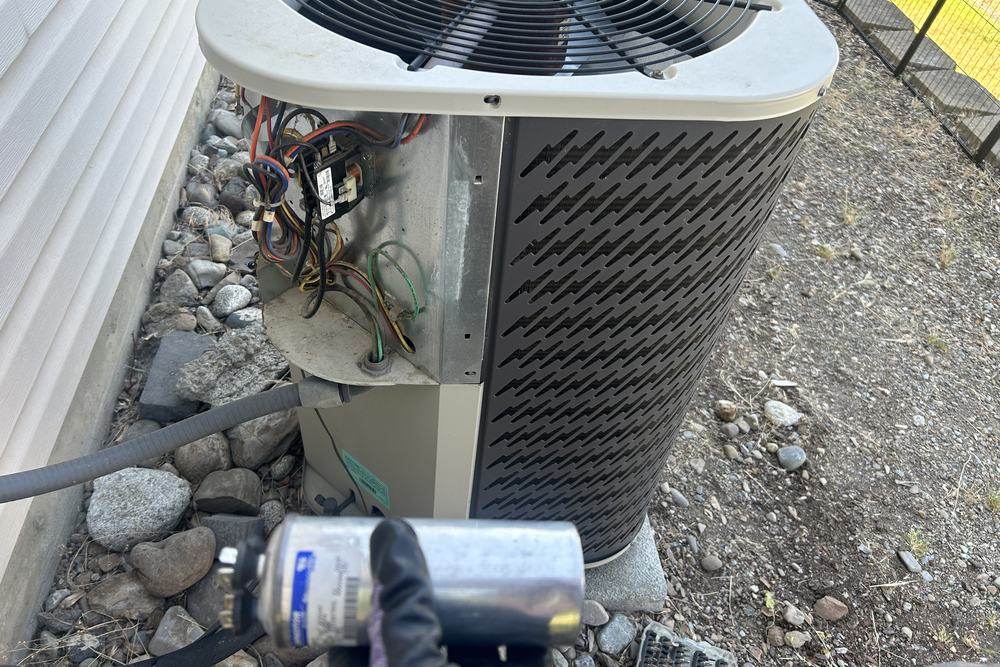
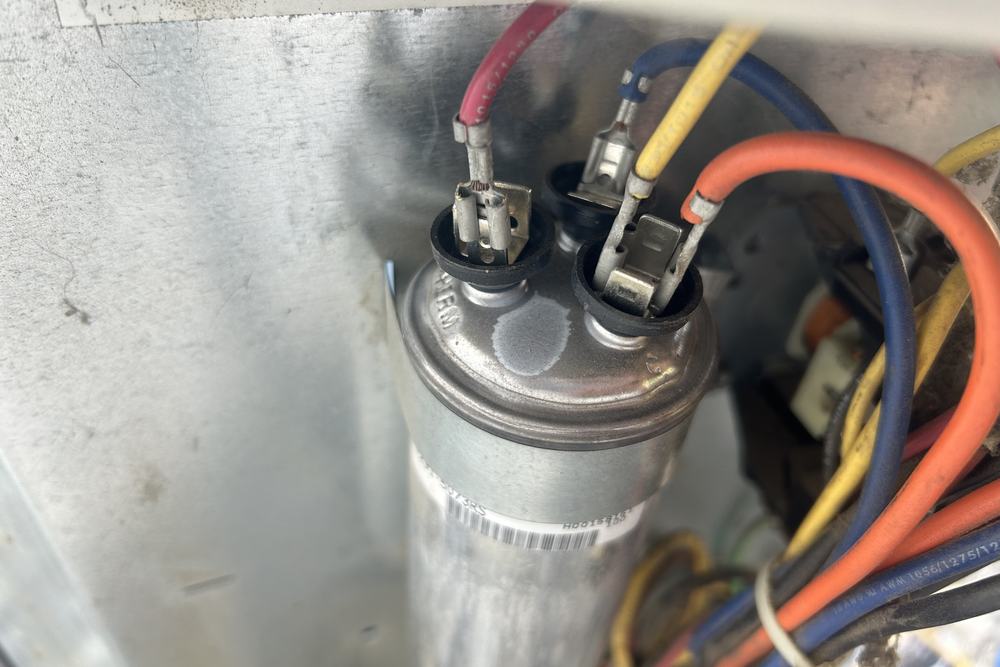
Recent heat pump repair jobs from our own vans.
Heat pump repair across the Tri-Cities
Each town page has the local detail.
We also come out to Benton City, Finley, Burbank and Kiona — same pricing, no travel charge.
Other heating and cooling services
Heat pump repair — common questions
Why is my heat pump blowing cool air in winter?
Most likely it isn't. Heat pump supply air is around ninety to a hundred degrees — warmer than the room, but cooler than your skin, so it feels cool to the touch. If the house is holding its set temperature, the system is working. If the house is getting colder, then something is wrong and it's worth a call.
My heat pump is covered in ice. Is that normal?
A light frost on the outdoor coil in cold weather is completely normal, and the unit runs a defrost cycle every so often to clear it. A solid block of ice covering the coil or the fan is not normal — it means the defrost cycle isn't working, usually a sensor or the defrost board. Turn the system to emergency heat and call before the ice damages the fan.
How much does heat pump repair cost?
The $95 service call covers the diagnosis and a written price, and it comes off the repair if you go ahead the same visit. The repair itself varies a lot on a heat pump: a defrost sensor is a quick job, while a reversing valve means recovering refrigerant and brazing. We quote it once we have found which it is.
What is auxiliary heat and why is my bill so high?
Auxiliary heat is a set of electric resistance strips that help the heat pump on cold days. They're effective and expensive to run. If they engage when they shouldn't — a miswired thermostat, a bad outdoor sensor, or a system that has lost refrigerant — your bill climbs sharply. It's one of the first things we look at when someone mentions cost.
Do heat pumps work in Tri-Cities winters?
Yes. Our winters are cold but not extreme, and modern heat pumps hold useful capacity well below freezing. Older units lose more capacity as it gets colder, which is what the auxiliary heat is there to cover. Cold-climate models handle it considerably better.
How long do heat pumps last?
Ten to fifteen years is typical, a little shorter than a cooling-only air conditioner because the same equipment runs year-round instead of three months. Keeping the outdoor coil clean makes a genuine difference to that number.
My heat pump cools fine but won't heat. What's wrong?
That points at the heating-only components: the reversing valve or its solenoid coil, the defrost control, or a thermostat with the changeover wire set incorrectly. It's a fairly quick thing to narrow down once we're there.
Should I switch to emergency heat when it's very cold?
Generally no. Emergency heat runs the expensive electric strips and locks out the heat pump entirely. Use it when the heat pump has actually failed or is iced up, not just because it's a cold week.