Ductless mini-split installation
One head or several — a converted garage, an addition, a shop, or the upstairs bedroom that's unbearable in August.
A lot of houses around here have one comfort problem rather than a whole-house one. A bonus room over the garage that runs ten degrees hot. A shop that's unusable from June through August. An addition the original ductwork was never sized for. Extending a duct system into those spaces is expensive, often structurally awkward, and frequently makes the rest of the house worse by stealing air from it.
A ductless mini-split sidesteps all of that. An outdoor unit, a small line-set through the wall, and an indoor head that heats and cools that space on its own control. Because the compressor is inverter-driven it runs at whatever speed the room needs instead of slamming on and off, which is why they're quiet and why a single-zone unit costs very little to run. And because there's no ductwork there's no duct loss — a real consideration in houses where the ducts run through an attic that hits a hundred and thirty degrees in July.
The main decisions are where the indoor head goes, where the outdoor unit can sit, and how the line-set gets between them. Head placement matters more than people expect: too high and you get a cold draft on the back of your neck, too close to a corner and you lose throw across the room. Outdoor placement has to account for noise at the neighbour's window, sun exposure, and enough clearance to actually service the thing later.
Then there's electrical. Most single-zone units need a dedicated circuit and a disconnect, and on older Kennewick and Pasco homes the panel sometimes doesn't have room. We'll tell you that up front rather than discovering it on install day. Finally, sizing — and the same rule applies as with central systems. An oversized head short-cycles, never dehumidifies, and runs at its least efficient point all summer.
The map of our ductless installs is really a map of the housing. Detached shops and garages on the West Richland and Benton City acreage. Bonus rooms over garages in south Richland. Additions in Kennewick that the original ductwork was never sized for. And older east Pasco houses with no ducts at all, where two heads can make a home genuinely comfortable for the first time in its life.
Where a ductless mini-split makes sense
Garages & shops
Usually a single head. Quiet, cheap to run, and no gas line or venting to worry about.
Additions
A separate zone when the existing system has nothing left to give.
That one hot room
A converted attic, a bonus room, a west-facing office. A mini-split fixes most of these.
Whole houses
Multi-zone systems for homes with no ductwork worth extending.
Proper evacuation
A real vacuum with a micron gauge. This is the step cheap installs skip.
Both modes tested
Heating and cooling both checked before we leave, whatever season it is.
How a mini-split installation goes
Most single-zone installs are a one-day job.
- Bracket and pad set level
- Wall cored, sleeved and sealed properly
- Line-set run and flared to spec
- Dedicated circuit and disconnect
- Vacuum pulled and held with a micron gauge
- Charge checked by weight, both modes tested
What this work looks like
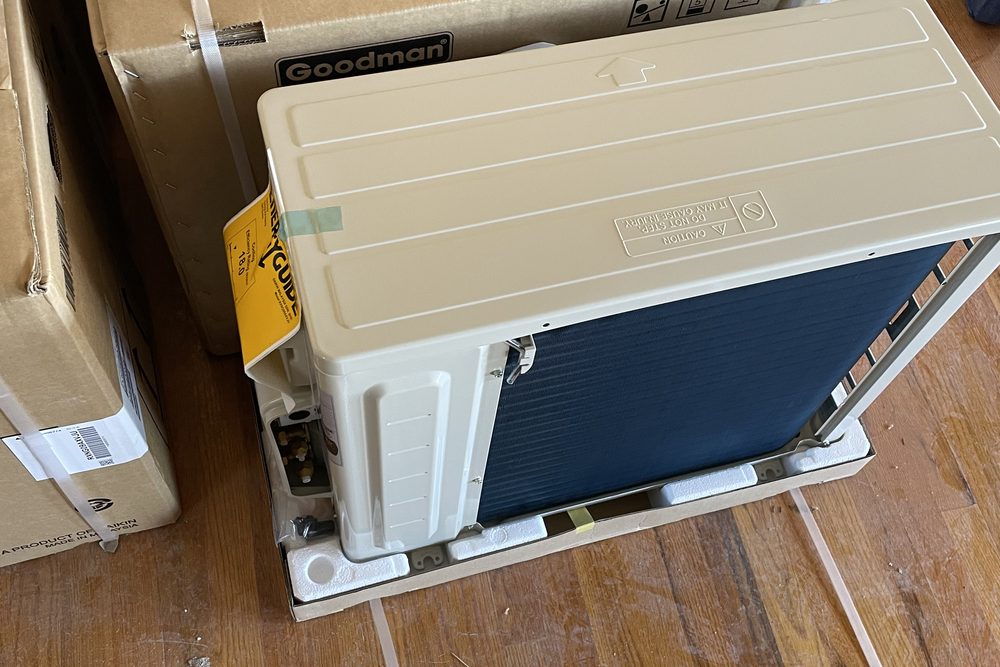
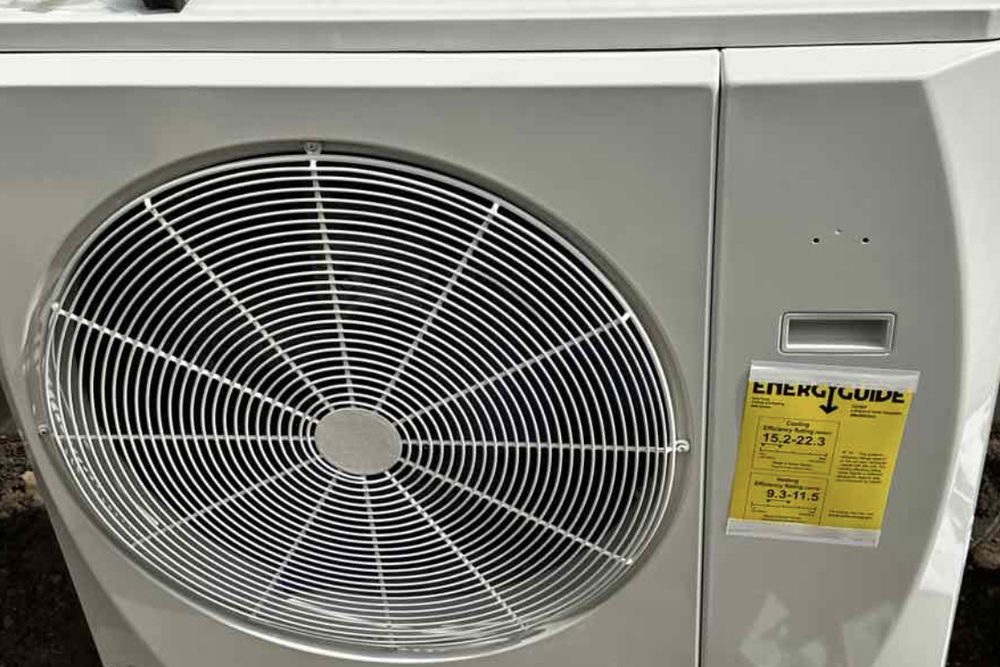
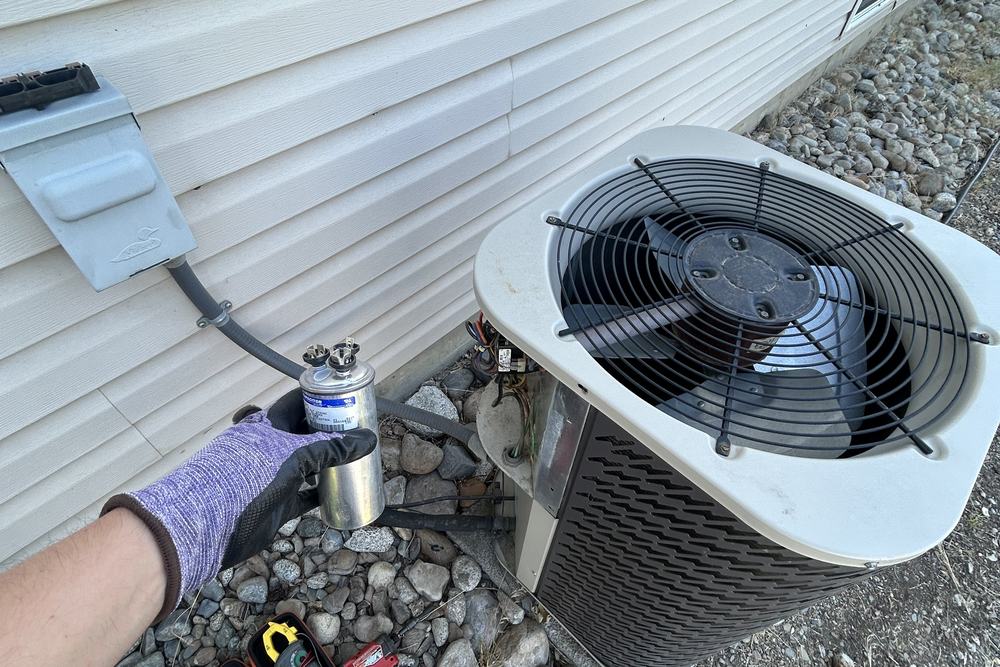
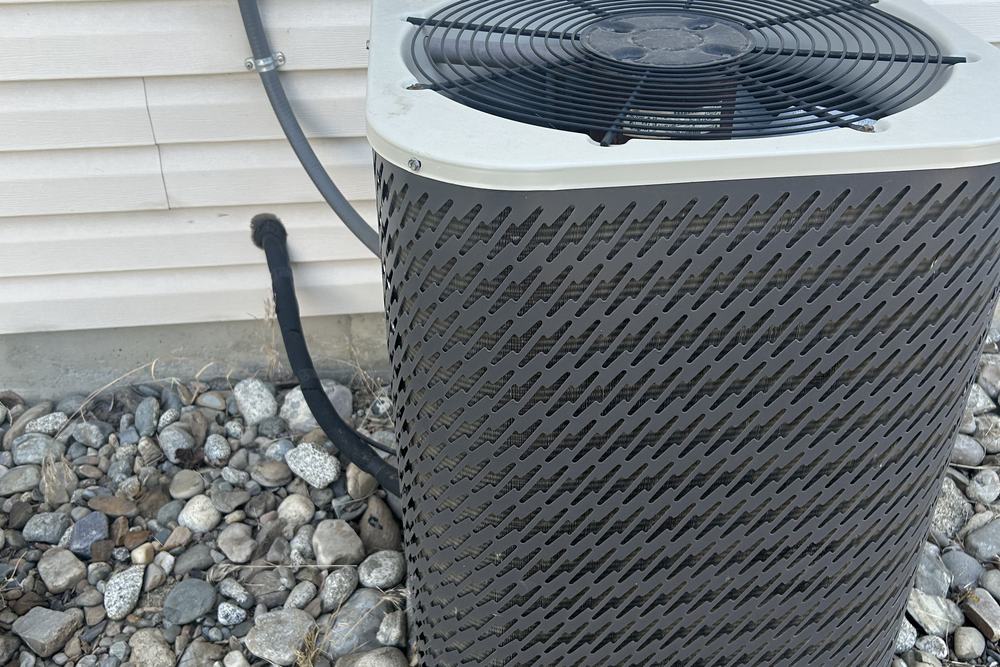
Recent mini-split installation jobs from our own vans.
Mini-split installation across the Tri-Cities
Each town page has the local detail.
We also come out to Benton City, Finley, Burbank and Kiona — same pricing, no travel charge.
Other heating and cooling services
Mini-split installation — common questions
How much does a mini-split cost installed?
A single-zone system for a garage, shop or one room is the least expensive way to condition a space properly, and multi-zone systems scale up from there depending on how many heads you need. The quote is free and itemised, including the electrical work, so you can see what each part costs.
How many zones do I need?
One head heats and cools the space it can see. Open-plan areas do well; anything behind a closed door does not. For a garage or a single room, one. For whole-house coverage you're looking at a multi-zone system with a head in each area that needs it.
Do mini-splits heat as well as cool?
Yes — every one we install is a heat pump. For a garage or a shop that's usually the whole answer, with no gas line and no venting. For a main living area in a Tri-Cities winter, ask us about the cold-climate models specifically, because standard units lose a lot of capacity near freezing.
Can I install a mini-split myself?
The DIY kits with pre-charged line-sets exist and people do use them. The parts that go wrong are the ones you can't see: an inadequate vacuum leaves moisture in the system that will kill the compressor over a couple of years, and an overtightened flare leaks slowly from day one. If you've already installed one and it's misbehaving, we're happy to look at it.
How big a hole goes through the wall?
Usually three inches, cored cleanly, sleeved and sealed on both sides. Done properly it's tidy and weatherproof; done badly it's a draft and an insect route.
How noisy is a mini-split?
The indoor head is very quiet — quieter than a fridge on low speed. The outdoor unit is much quieter than a central condenser, roughly a quiet conversation at a few feet. Placement still matters if it's going under a bedroom window, yours or a neighbour's.
How long does the installation take?
A single-zone install is usually one day. Multi-zone systems, or anything that needs a new circuit run across the house, take two.
Will a mini-split cool my whole house?
One head won't. A properly sized multi-zone system can, and for a house with no ductwork it's often the most sensible option there is. We'll walk the house and tell you how many heads it would actually take rather than guessing from the square footage.