Ductless mini-split repair in the Tri-Cities
Wall heads, floor units, multi-zone systems and the outdoor unit that feeds them. Different equipment from a central system, and different faults.
A mini-split runs an inverter-driven compressor that changes speed instead of switching on and off, and the whole system is managed by boards that talk to each other over a communication wire. That's why it's quiet and cheap to run — and also why the failure modes look nothing like a conventional condenser. A mini-split rarely just dies. It throws a fault code, drops to reduced capacity, or starts and stops in a pattern that seems random until you read the code off the indoor unit.
So the first thing we do on a ductless call is get that code. Most brands blink it out on the indoor head or store it in the outdoor board, and it points straight at the sensor, board or circuit that's unhappy. From there it's measuring: winding resistance on the compressor, voltage on the communication line, thermistor values against the chart. It saves an enormous amount of time compared with pulling things apart hopefully.
Water dripping down the wall from an indoor head is near the top of the fault list, and it's almost always the condensate drain rather than a refrigerant problem. These systems drain by gravity through a small line inside the line-set sleeve, and it takes very little dust or algae to plug it. Second is weak cooling from one head on a multi-zone system, which usually means a stuck expansion valve or a charge problem rather than a dead compressor. Third is a communication fault, where the indoor and outdoor units stop talking — often a corroded connection, a chewed wire, or water getting into a poorly sealed wall penetration.
We also get a fair number of calls on units installed by whoever was cheapest, where the line-set was never properly evacuated or the flare fittings were overtightened. Those show up a year or two later as a slow leak. It's fixable, and worth fixing properly rather than recharging every spring.
Ductless problems land differently across the four towns. Pasco heads swallow field dust, so drain lines and blower wheels clog faster there than anywhere else we go. On the West Richland and Finley acreage, long line-set runs out to shops make communication faults more common. In town, the usual suspects are washable filters nobody has washed and a condensate drain that's been slowly closing for two summers.
Common mini-split problems and fault codes
Water from the indoor head
A plugged condensate drain nine times out of ten. Cheap to clear, expensive to ignore.
Blinking fault light
The system is telling you something specific. We read the code rather than guessing.
One zone won't cool
On a multi-zone, usually an expansion valve or a charge issue rather than the compressor.
Outdoor unit silent
Communication fault, board, or power. Often a corroded terminal or a chewed wire.
Weak airflow
The indoor filters and blower wheel load up with dust. They're washable and often overlooked.
Musty smell
Growth on a coil that never fully dries out. Cleanable, and worth doing properly.
What we check on a mini-split repair call
- Fault codes from the indoor and outdoor boards
- Communication voltage between the units
- Thermistor and sensor values against spec
- Condensate drain and pump, if one is fitted
- Filters, blower wheel and coil condition
- Refrigerant charge and flare connections
What this work looks like
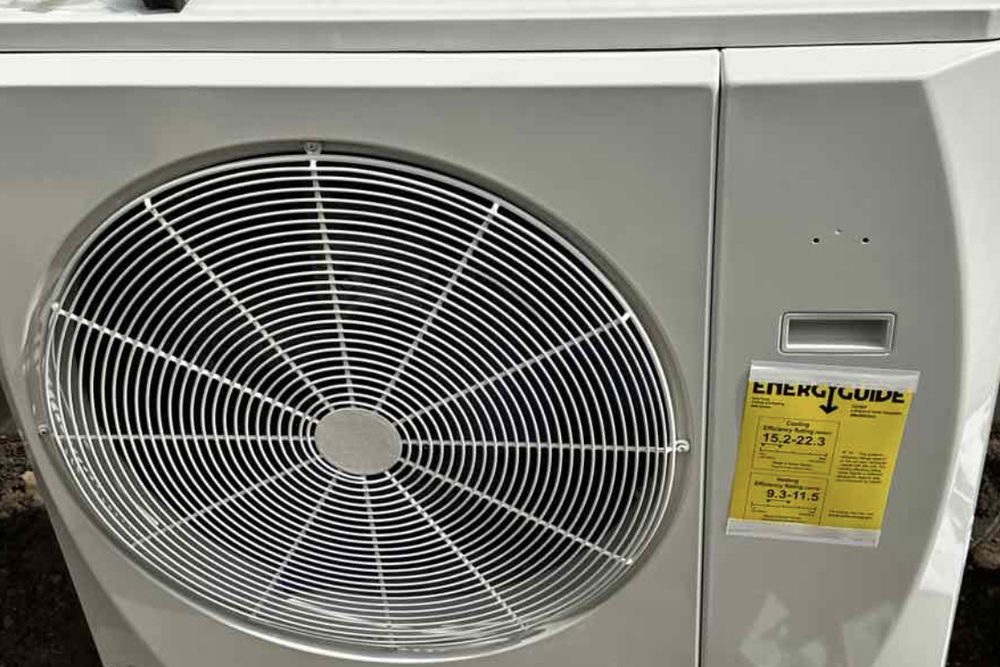
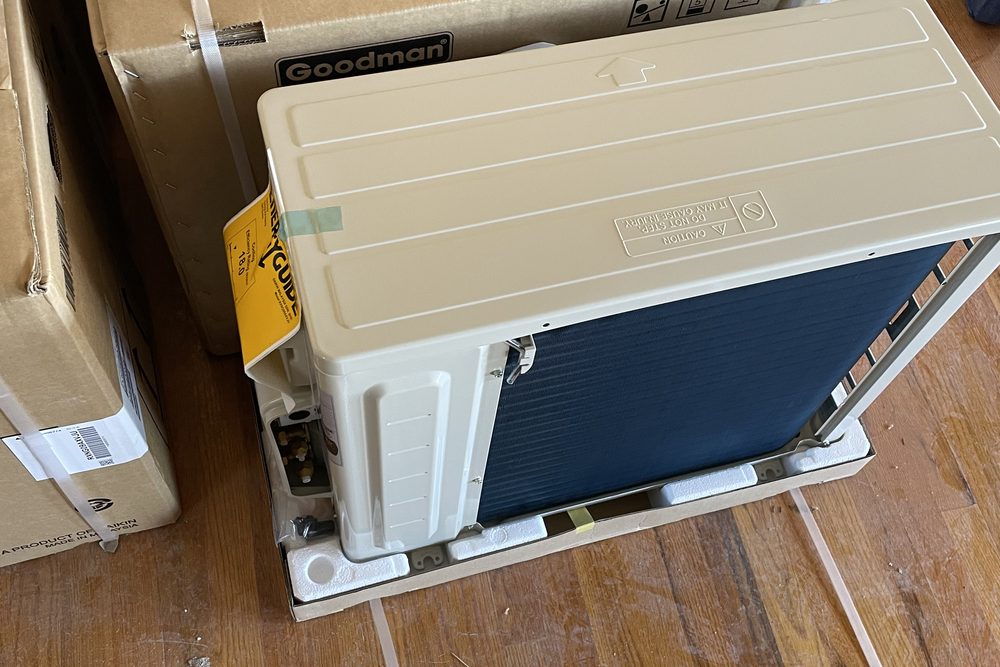
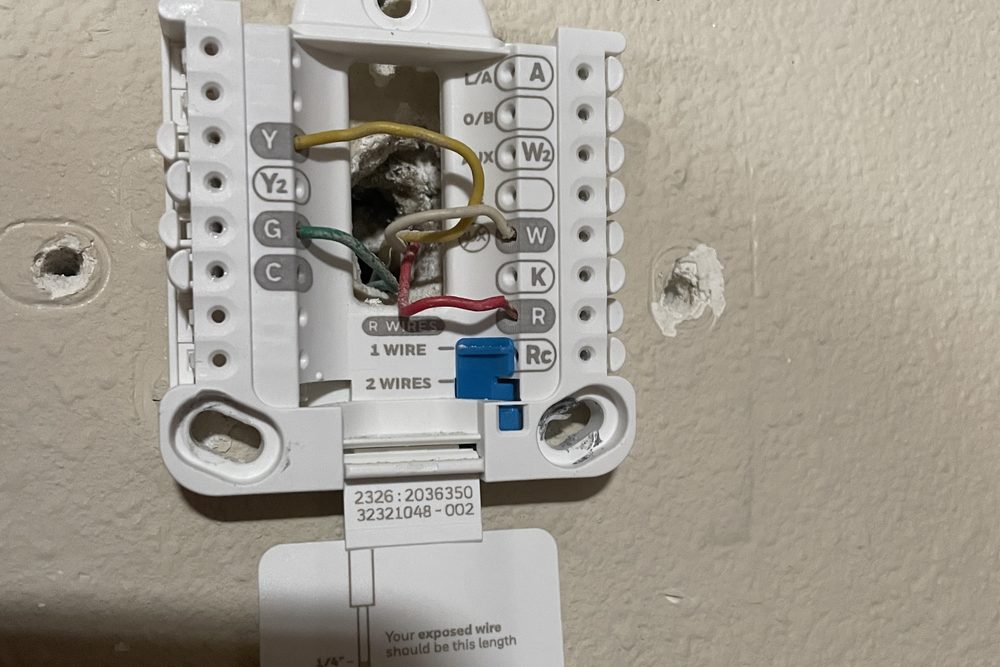
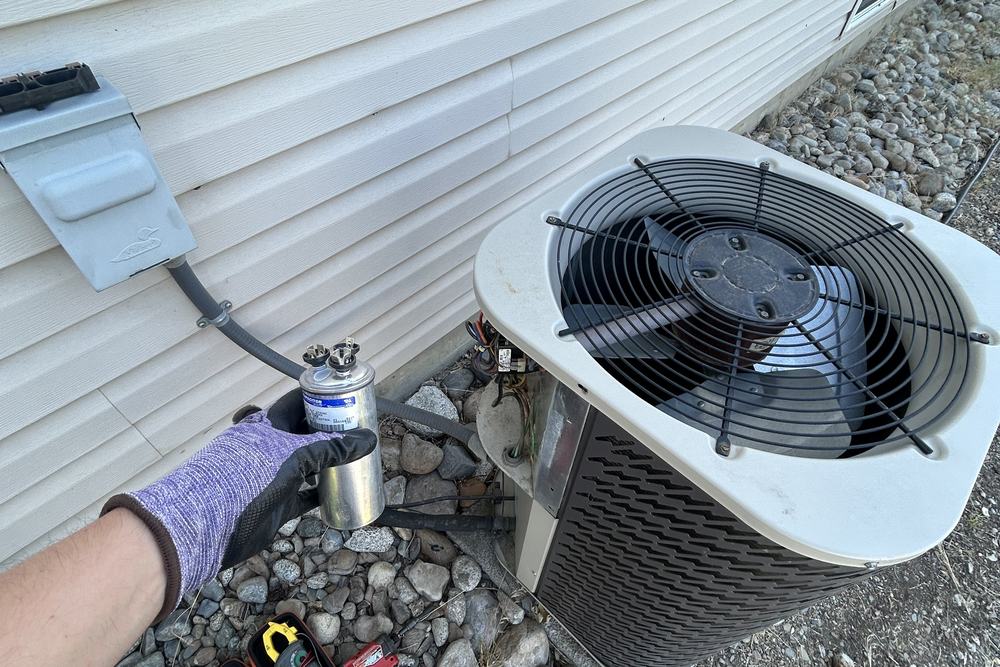
Recent mini-split repair jobs from our own vans.
Mini-split repair across the Tri-Cities
Each town page has the local detail.
We also come out to Benton City, Finley, Burbank and Kiona — same pricing, no travel charge.
Other heating and cooling services
Mini-split repair — common questions
Why is my mini-split leaking water inside?
Almost always a plugged condensate drain. The head drains by gravity through a small line in the wall sleeve, and dust or algae blocks it. The water then backs up in the pan and comes out the front, into your drywall. Turn the unit off, put a towel down, and get it cleared — it's a short visit and much cheaper than the wall repair.
What does the blinking light on my mini-split mean?
It's a fault code, and the pattern is specific to the brand. It might be a sensor, a communication failure between indoor and outdoor units, a compressor protection trip, or a low charge. Count the blinks and tell us the brand when you call — it often tells us what to bring.
How much does mini-split repair cost?
The $95 service call covers the diagnosis and a written price, and comes off the repair if you go ahead that day. Clearing a blocked drain is a short job; an indoor board or a fan motor is a bigger one. We tell you which before we start.
My mini-split smells musty. How do I fix it?
That's biological growth on an indoor coil that never fully dries. Running the fan-only mode for a while after cooling helps prevent it. Once it's there, it needs a proper coil cleaning — the spray-can products sold for this rarely reach where the problem actually is.
Can I clean the mini-split filters myself?
Yes, and you should. The two mesh filters behind the front cover lift out, rinse under a tap, and go back once dry. Once a month in heavy use. It's the single most effective thing an owner can do, and a loaded filter is the most common reason for weak airflow.
One of my zones isn't cooling but the others are fine. Why?
On a multi-zone system that usually points at the electronic expansion valve for that zone, the indoor board, or a charge issue rather than the compressor. If the compressor were dead no zone would work, so the fact that the others are fine narrows it down considerably.
How long do mini-splits last?
Twelve to twenty years for a well-installed unit, and considerably less for a cheap one that was never properly evacuated at installation. Cleaning the filters and keeping the outdoor coil clear is most of what determines which end of that range you get.
Can you work on a unit I bought online?
Usually. The thing to check first is whether parts are available for that model, so give us the brand and model number when you call. If they aren't, we'll tell you before you pay for a diagnosis rather than after.