Why so many Road 68 air conditioners are failing at the same time
The corridor was built out in one decade, so its equipment is aging out in one decade too. If your neighbor's condenser just died, yours is on a similar clock.
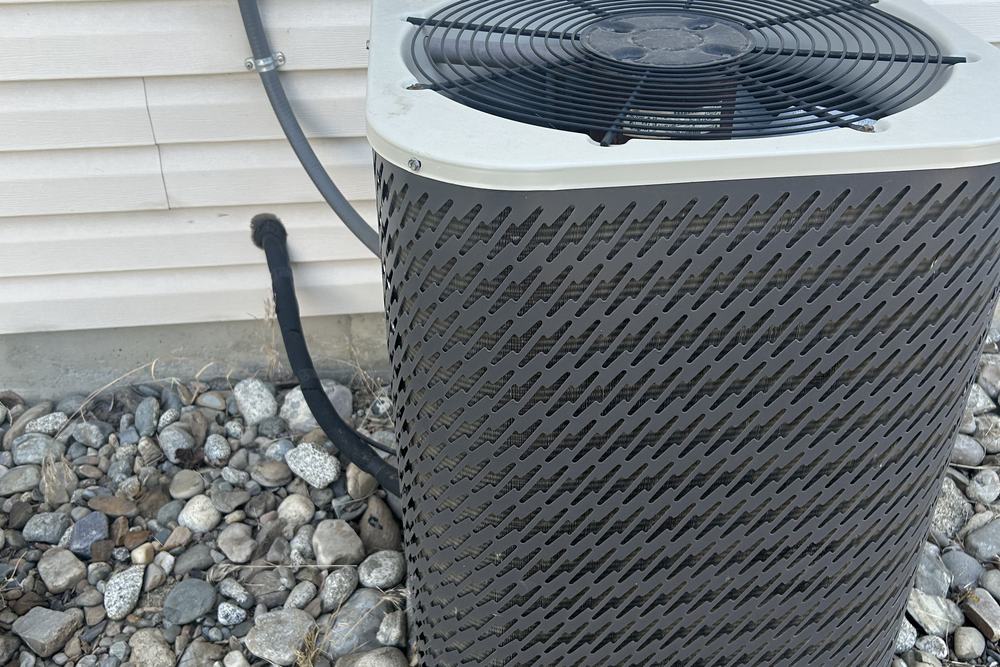
Twice this July we've had two no-cool calls on the same Pasco street in the same week, and it wasn't a coincidence. The Road 68 and Chapel Hill corridor was built out largely between 2000 and 2012, which means thousands of air conditioners went in within a few years of each other — often the same handful of models, installed by the same handful of crews. Equipment that's installed together ages together.
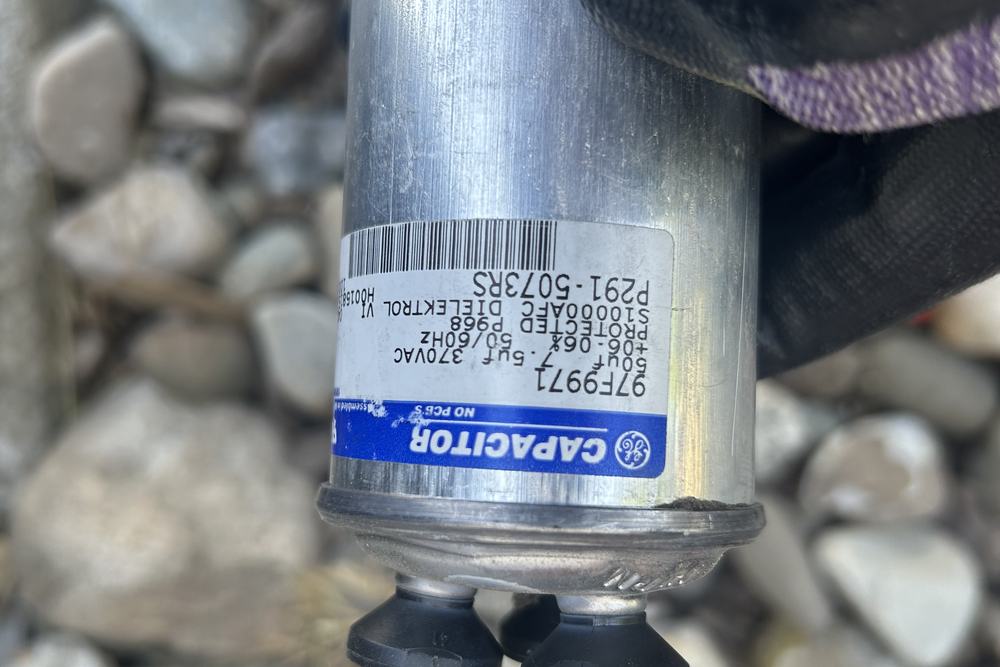
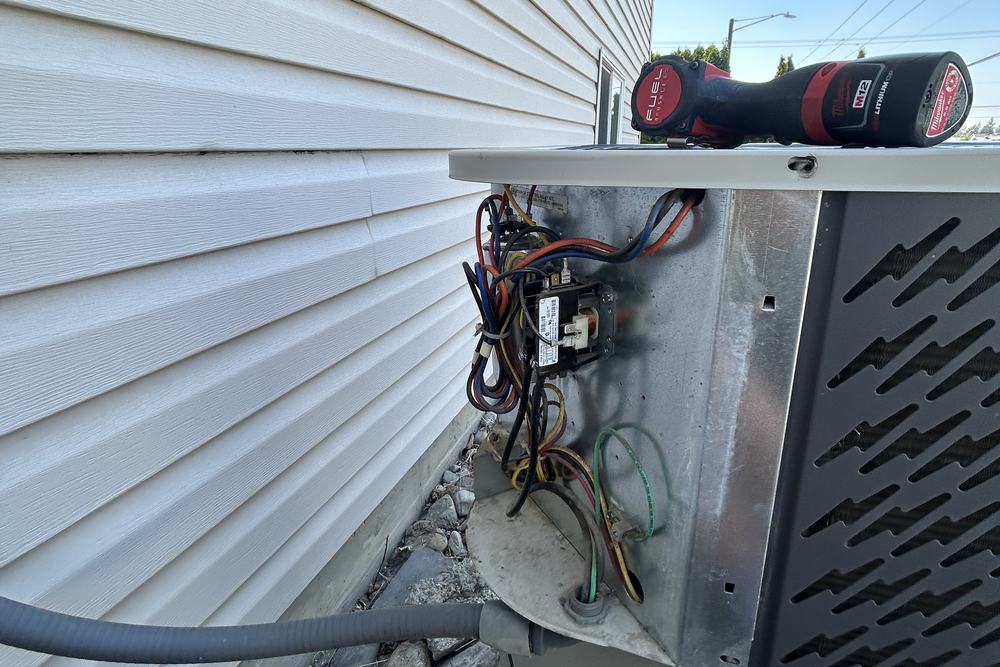
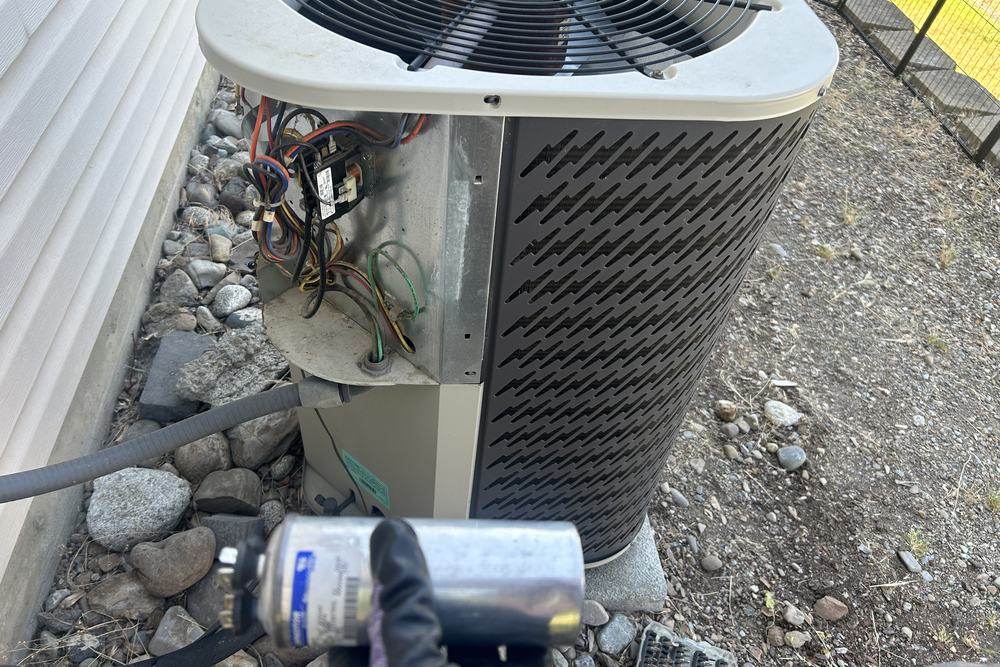
Most of what's failing right now is the first wave: run capacitors, contactors and condenser fan motors on systems fifteen to twenty years old. These are normal, repairable failures — a capacitor is one of the cheapest fixes in the trade, and it's the single most common part we replace on that corridor. The air conditioner repair page covers what those calls look like in detail.
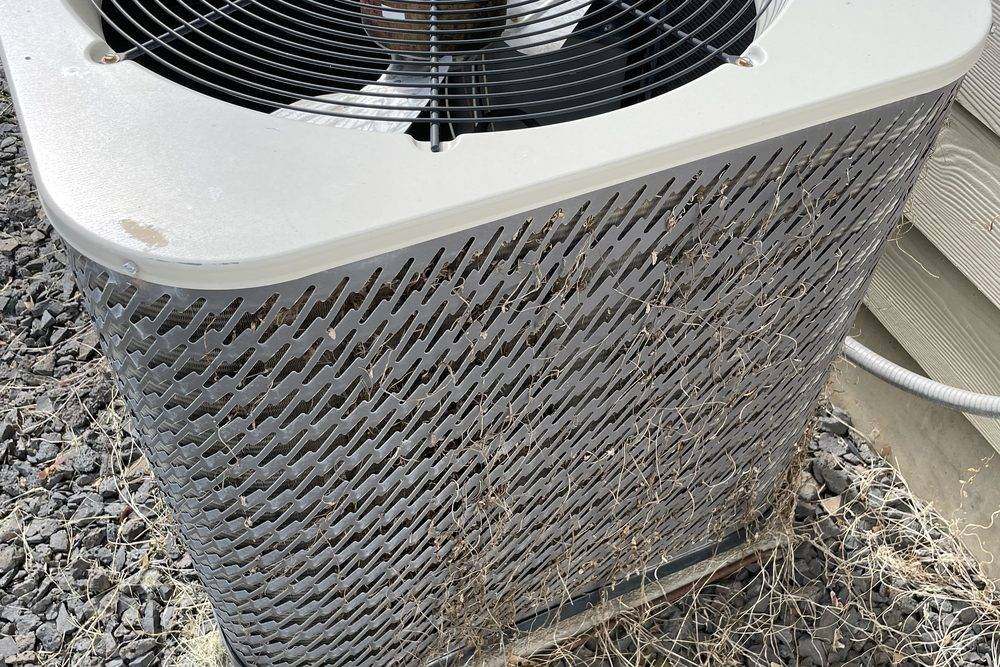
The awkward part is the second wave. Once a system is past fifteen years, the compressor and the coils are next in line, and those repairs cost a meaningful fraction of a new system. Our advice to Road 68 owners is unglamorous: fix the cheap failures without drama, keep the condenser coil washed — Pasco's field dust loads coils faster than anywhere else we work — and start planning the replacement before the July it becomes an emergency. A quote costs nothing and doesn't expire.
One practical marker: if your outdoor unit still says R-22 on the data plate, the refrigerant it uses hasn't been manufactured in the US since 2020, and any leak repair on it gets expensive fast. That's usually the point where repair money is better put toward replacement, and we'll say so plainly when we see it.
Questions about your own system? Call (509) 841-9130 — the $95 service call and the written price apply the same as always.
From the same kind of jobs