Smoke, dust and late summer: keeping Tri-Cities cooling alive through the home stretch
August is when filters give up, coils choke and tired capacitors finally quit. Two cheap habits get most systems through to fall.
By late August, Tri-Cities cooling equipment has been running hard for three months, and the air it's been breathing hasn't been clean. Harvest traffic and wind put field dust into everything — heaviest in Pasco and on the exposed slopes of Southridge — and most summers Eastern Washington gets at least a stretch of wildfire smoke on top of it. How heavy the smoke gets varies year to year; what it does to HVAC equipment doesn't.
Inside the house, smoke and dust load the filter far faster than the calendar suggests. A filter that lasts three months in spring can be finished in four to six weeks in this stretch, and a collapsed or loaded filter starves the system for air — which looks exactly like a refrigerant problem from the thermostat. Checking the filter monthly from July through September is the single cheapest thing a homeowner here can do.
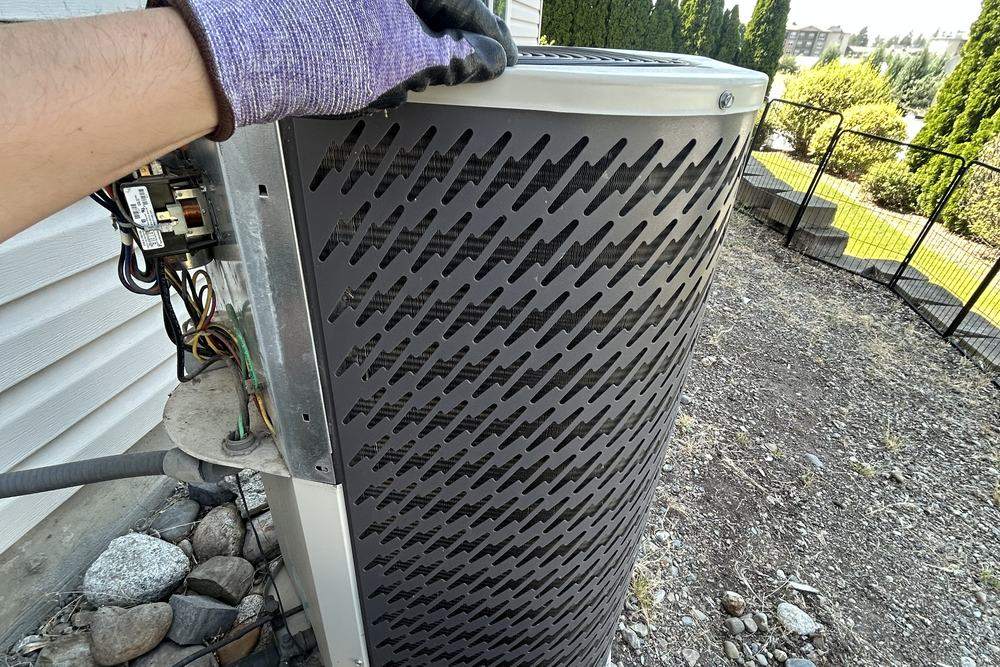
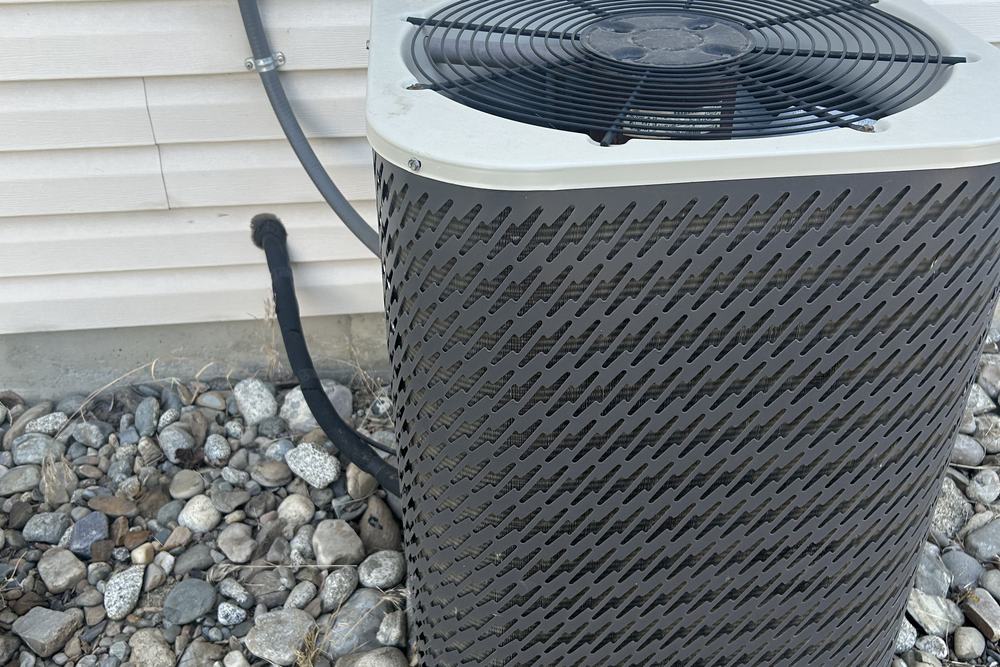
Outside, the condenser coil is doing the same slow suffocation. If the fins are grey with fines or you can't see light through them, the system is working harder and cooling worse than it should. A gentle rinse with a garden hose — power off at the disconnect first, water from the inside out where you can — recovers a surprising amount of capacity. What we'd rather you didn't do is bend fins with a pressure washer or spray water into the electrical panel.
On smoke days specifically: keep windows shut and run the system's fan so air keeps passing through the filter, and if anyone in the house is sensitive, this is the season a better filter earns its keep — ask us whether your blower can handle a higher-efficiency one before you buy, because on some older systems a dense filter does more harm than good.
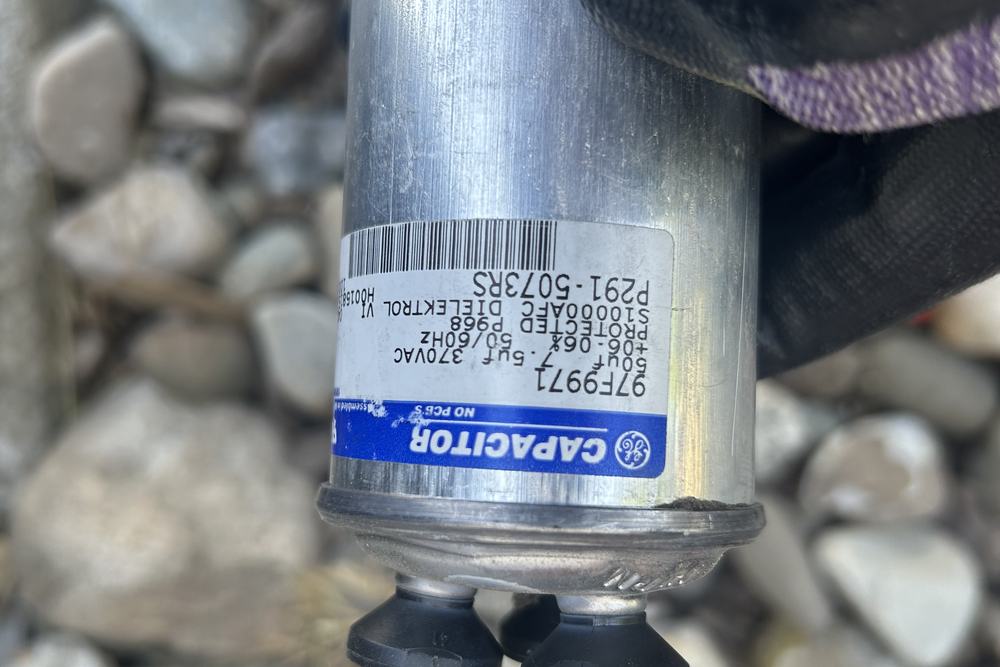
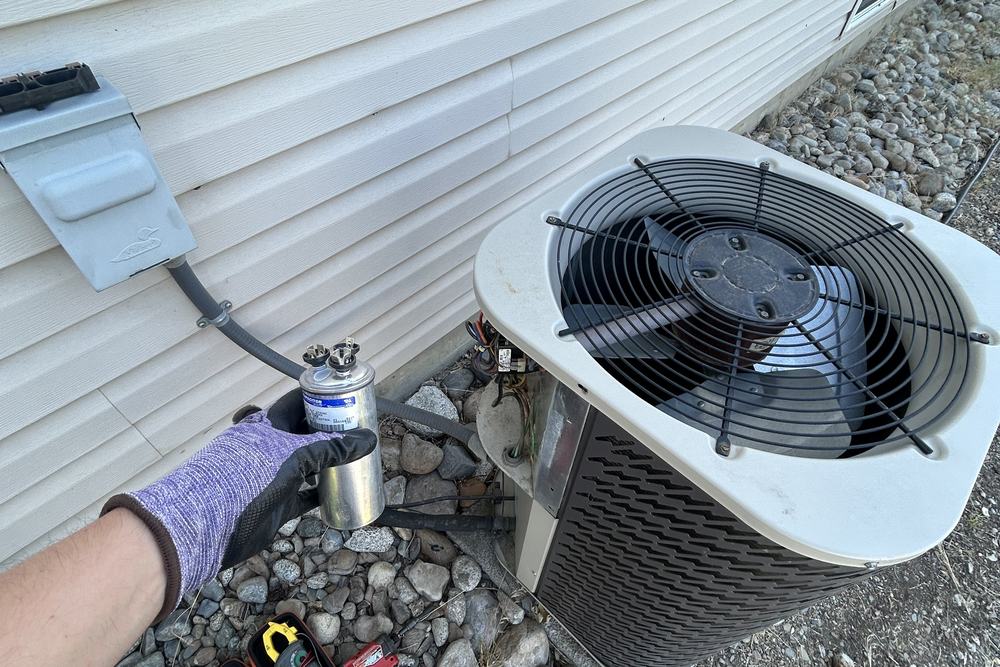
And if the system was already limping — long runs, warm rooms by afternoon, a breaker trip here and there — late August is when tired parts finally quit. The usual failures are cheap to fix when they're caught as parts and expensive when they're caught as emergencies.
Questions about your own system? Call (509) 841-9130 — the $95 service call and the written price apply the same as always.
From the same kind of jobs